What BPM Is Soul Music?
Soul does not have one BPM the way disco or house does. Ballads sit at 60 to 80 BPM, the classic Motown and Stax groove lives at 90 to 120, and uptempo cuts push 120 to 130, all in 4/4 with a gospel-rooted, major or dominant-7 lean. Which number you get depends on which soul record you are holding.
Soul tempo and key, broken down
| Reading | BPM range | Sweet spot |
|---|---|---|
| Overall soul | 60 to 130 BPM | 90 to 115 BPM |
| Ballads | 60 to 80 BPM | ~70 BPM |
| Classic soul groove | 90 to 120 BPM | ~100 to 112 BPM |
| Uptempo soul | 120 to 130 BPM | ~125 BPM |
| Element | Soul baseline |
|---|---|
| Time signature | 4/4 |
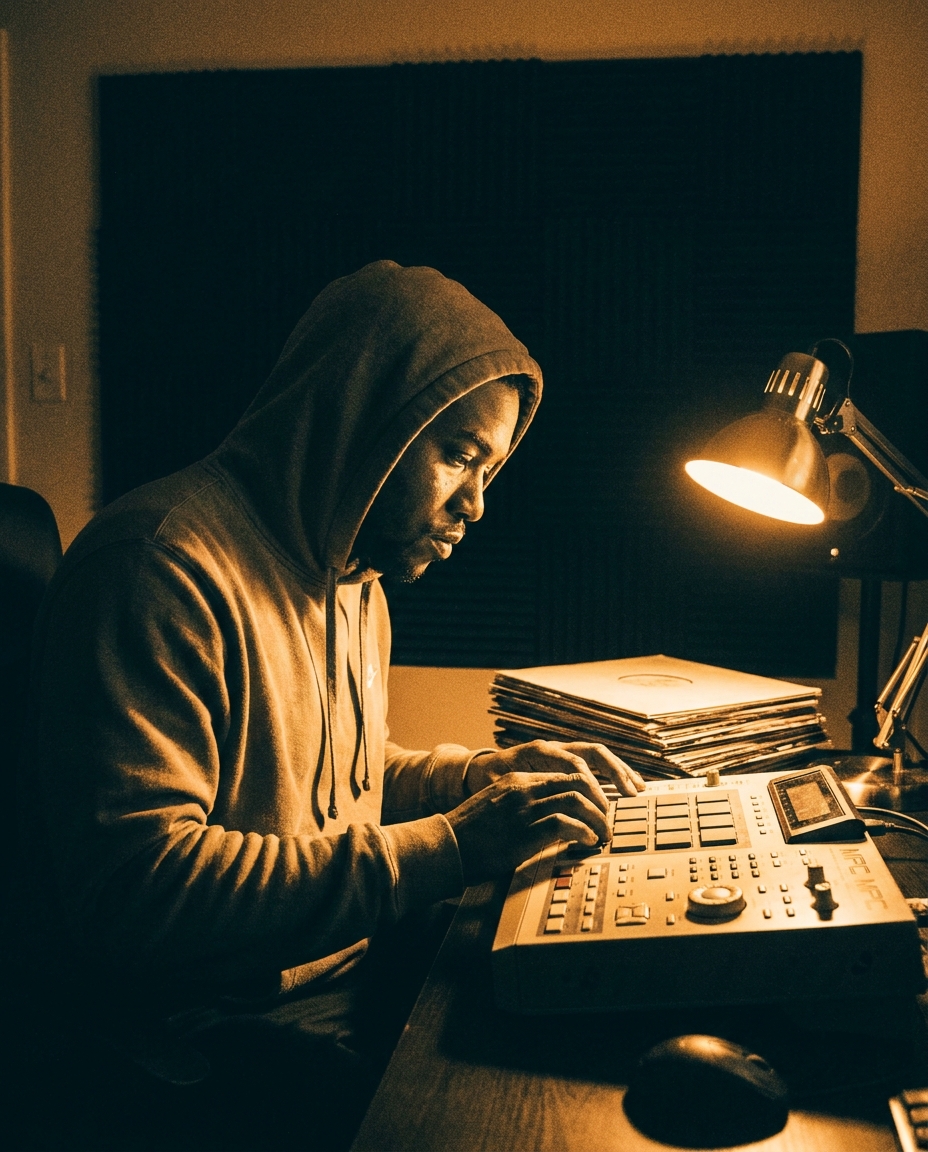
| Drum feel | Live rhythm section, played not programmed, breathes instead of locking to a grid |
| Key lean | Major and dominant-7, gospel-rooted harmony |
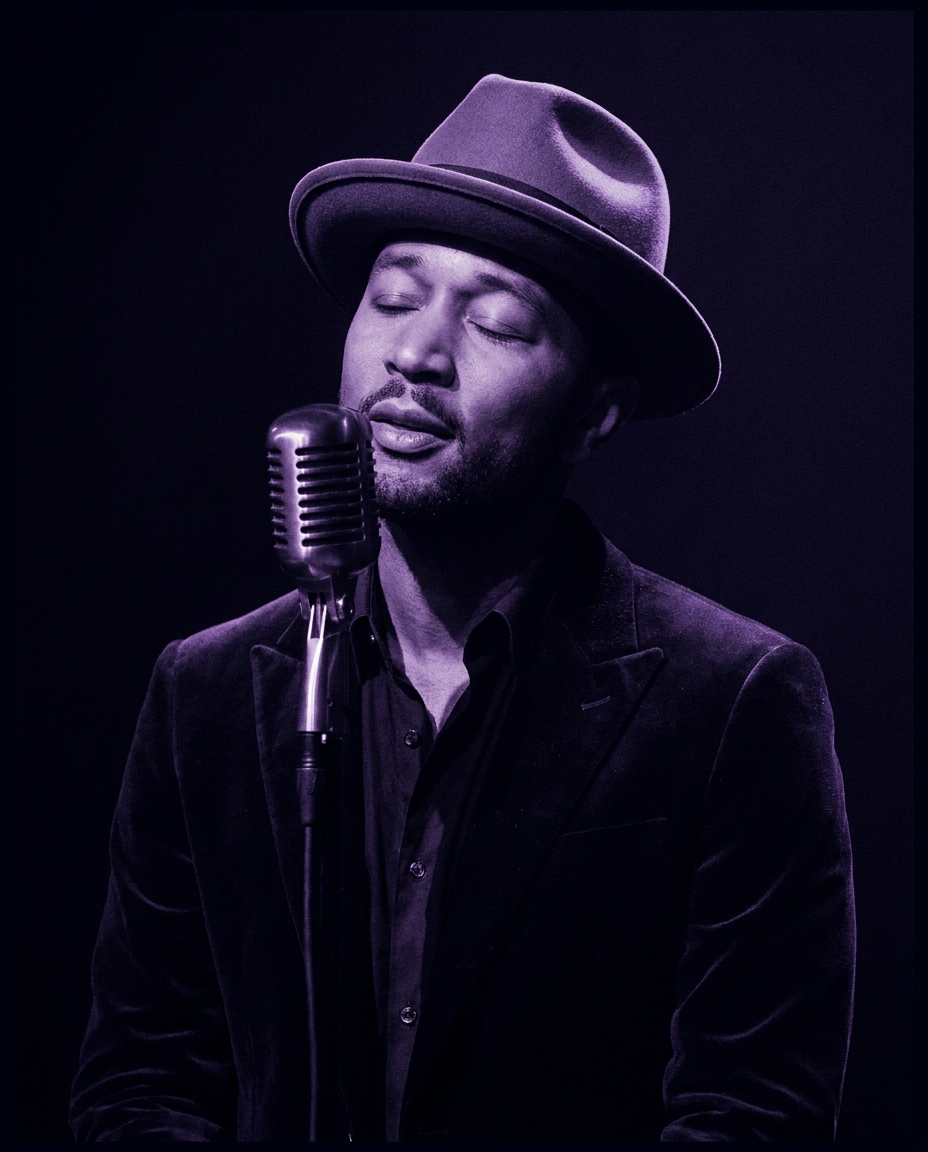
| Sonic markers | Horn stabs, tambourine, call-and-response vocals, deep syncopated bass |
| Source lineage | Mid-1960s gospel and R&B fusion (Motown, Stax, Atlantic), one of the most sampled catalogs in hip hop |
Why soul doesn't come with one number
Every other genre on this site has a pocket. House sits at 120 to 130. Disco sits at 110 to 130. Soul spans three registers because it was never built for one job: a ballad, a mid-tempo groove, and an uptempo dance cut are all doing different emotional work, not just different eras of the same sound.
That range also comes from a live band, not a drum machine, so the number breathes across a record the same way it does on a funk cut. There is one extra trap worth knowing: a slow ballad with busy string or vocal phrasing can trick a beat-counter into reading double, so a track that feels like a 70 might get counted as a 140. If a slow soul ballad ever reads suspiciously fast, that is almost certainly why. A good analyzer flags the uncertainty instead of handing you the wrong number with a straight face.
Three ways to find the BPM of a soul track
- 1Audio analysis
An analyzer reads the waveform directly, which matters more here than on almost any genre since the tempo genuinely shifts by register. DigMyLoop reads BPM, key, and mood from the browser tab in about fifteen seconds and tells you when a read looks shaky.
- 2Database lookup
Music databases cover well-known releases accurately. Deep cuts and rare 45s are hit or miss.
- 3Count by ear
Works, but count over several bars, not one. A ballad's rubato phrasing and a groove's syncopation both throw off a single-bar count.
Soul BPM and key: three tracks
Every value below was read from the audio by DigMyLoop, from the part of the track where the groove is actually playing, not the intro. Three tracks, three registers, one honest range.
96 to 129, mellow to energetic, three different keys. That spread is the whole argument: soul's honest answer is a range with real shape to it, not a single fake number. And it is not a coincidence that all three of these records get flipped constantly. Half of hip hop's most familiar hooks are soul records wearing a new outfit, and soul is one of the deepest traditions a producer can dig through. Add DigMyLoop to Chrome for free and read the same values on whatever you pull next.
Want the read on the soul cut you're about to flip? DigMyLoop pulls the BPM and key live in your browser while it plays.
Soul FAQs
Dig deeper. Create faster. digmyloop.com