What BPM Is Lofi?
Lofi hip hop runs at 70 to 90 BPM, with most tracks landing in the 80 to 85 BPM range. Bedroom lofi sits at the slower end (70 to 80), chillhop fills the middle (80 to 90), and jazz-hip-hop tracks from producers like Nujabes push toward 90 to 95. Slow enough to think. Fast enough to groove.
Lofi tempo and key, broken down
The range is consistent, but which end you land on depends on the substyle.
| Substyle | BPM range | Sweet spot |
|---|---|---|
| Bedroom lofi / ambient chill | 60 to 80 BPM | ~72 to 75 BPM |
| Lo-fi hip hop (study beat standard) | 75 to 90 BPM | ~80 to 85 BPM |
| Chillhop | 80 to 92 BPM | ~85 to 88 BPM |
| Jazz-hip-hop (Nujabes style) | 85 to 95 BPM | ~90 to 92 BPM |
| Element | Lofi baseline |
|---|---|
| Time signature | 4/4, occasionally 3/4 for jazz-influenced pieces |
| Drum feel | Sparse, swung hi-hats, kick and snare appear infrequently |
| Key lean | Minor most common (from jazz and soul source material), major keys appear regularly |
| Sonic markers | Vinyl crackle, tape hiss, reverb, low-pass filtering |
| Source material | Jazz records, anime OSTs, soul samples, field recordings |
The key does not belong to the genre. It belongs to the sample. A producer who chops a jazz record from the 1960s inherits that record's key, adjusted for however many semitones the loop got pitched to fit the arrangement. Lofi skews minor because the jazz and soul catalog producers dig from skews minor. Pitch that Coltrane-era loop down two semitones and it lands in Dorian or Aeolian almost every time.
Why finding the BPM of a lofi track is harder than it sounds
The genre is built on restraint. A kick drum might land once every two bars. A snare might whisper rather than crack. The hi-hats swing in a way that drifts from the metronome. Your tapping finger follows the vibe, not the pulse.
This is what makes lofi feel calming: the space between the hits gives your ear room to fill in the groove. It also makes tap-tempo and manual counting unreliable. You are not tapping to a drum. You are tapping to an impression of a drum.
Four ways to find the BPM on a lofi track, from most to least reliable:
- 1Audio analysis
An analyzer reads the waveform directly, not your perception of the groove. DigMyLoop reads BPM, key, and Camelot from the browser tab while the track plays, in about fifteen seconds. Works best on the section where the groove is most present (the main loop, not a silent intro).
- 2Database lookup
Music databases cover many commercial releases. An album track may be included, while an independent upload may not be.
- 3Tap-tempo tools
Reliable for straight 4/4 with a clear backbeat. For sparse lofi with swung hats and a ghost snare, not reliable.
- 4Count by ear
Start the track, count beats for fifteen seconds, multiply by four. With lofi, you may be counting silence as often as hits.
The BPM is a by-product, not a decision
Most lofi producers do not start by setting a tempo.
They load a sample, slow it down until the pitch drops into a familiar warm range, pitch-shift it back to where they want it harmonically, and then check the DAW. It says 82 BPM. The tempo emerged from the sample, not the producer's metronome.
Jazz and soul records from the 1960s and 70s tend to land in the 80-85 BPM zone after the typical amount of pitch-down treatment lofi producers apply. The number is baked into the source material. Knowing that, you can work backwards: if a sample sounds right slowed down, it is probably already close to 80-85 and just needed the warmth of the pitch change to land there.
Lofi BPM and key: three tracks
Every value below was read from the audio by DigMyLoop, from the main groove window (not the intro).
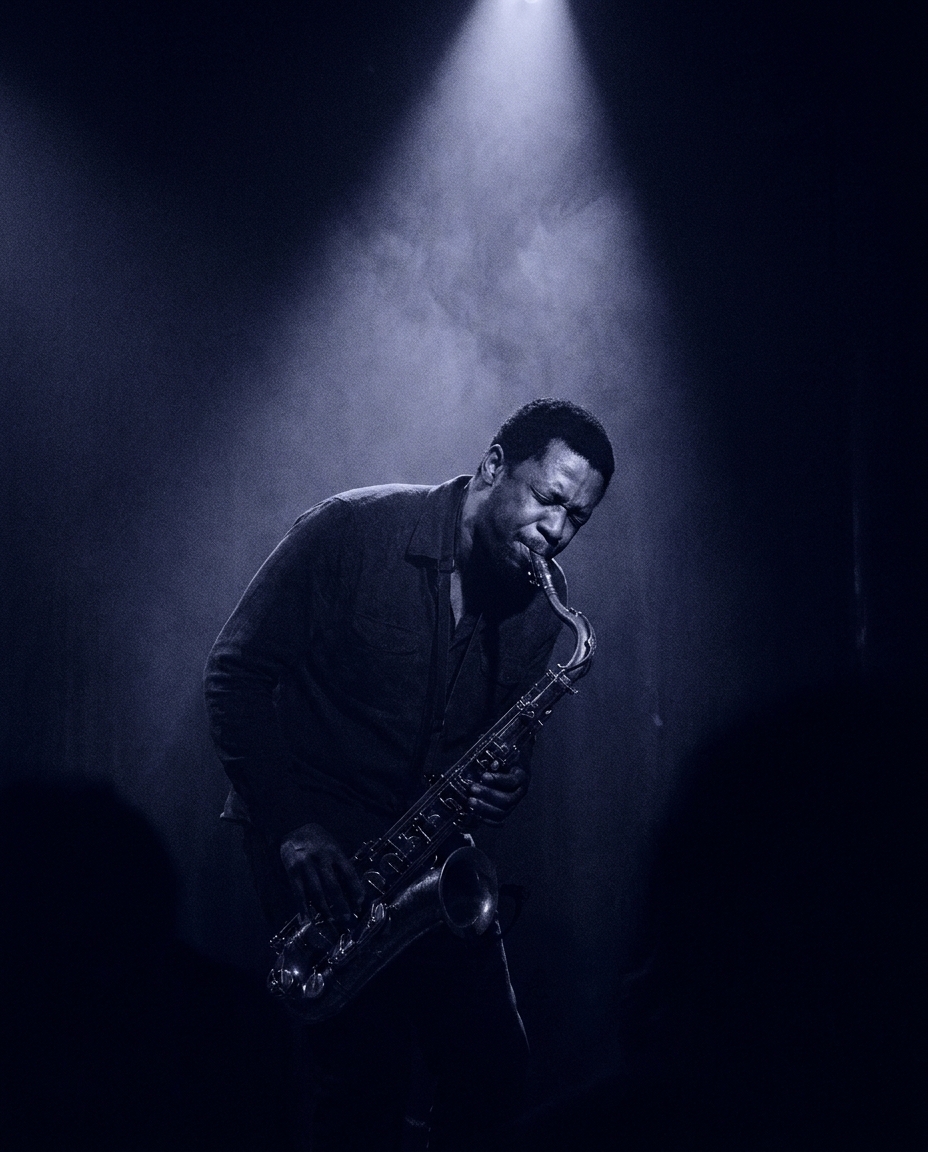
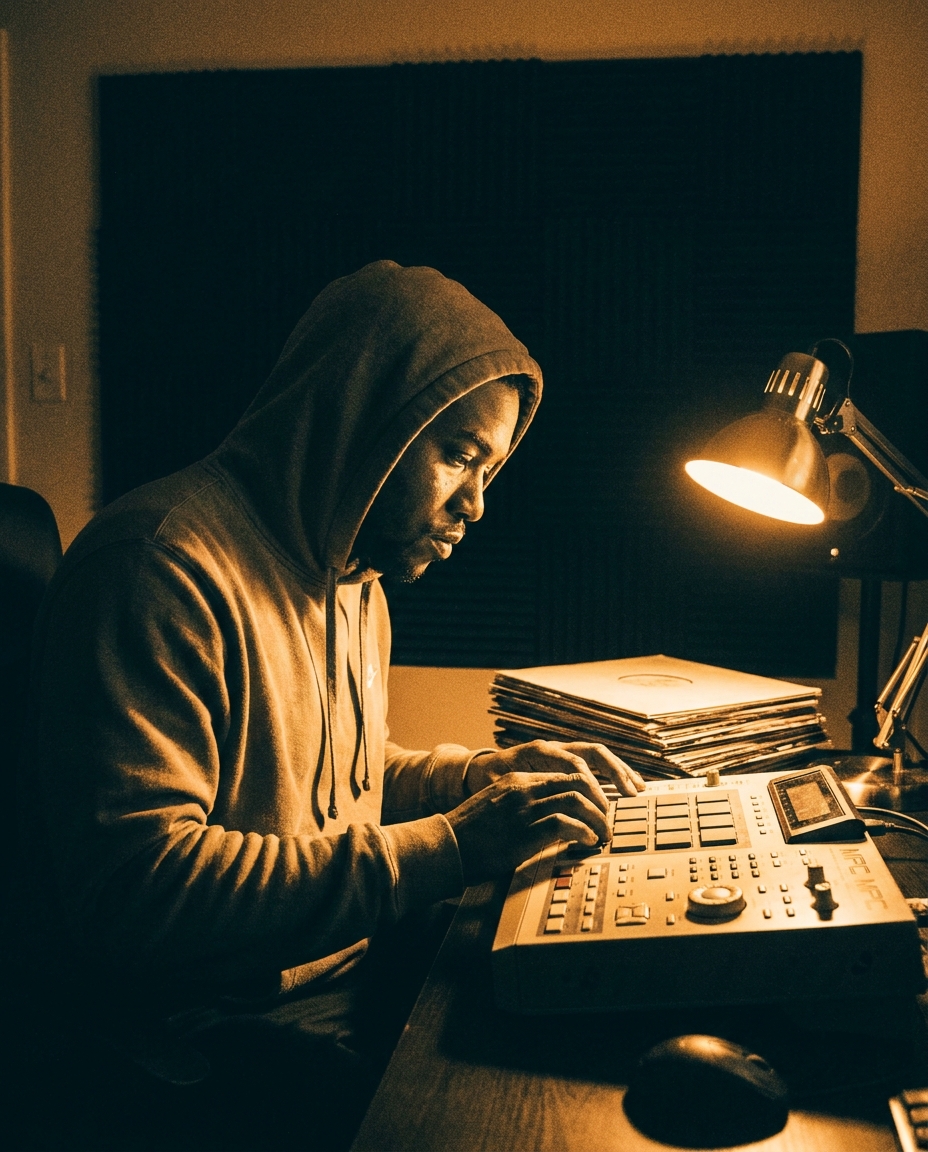
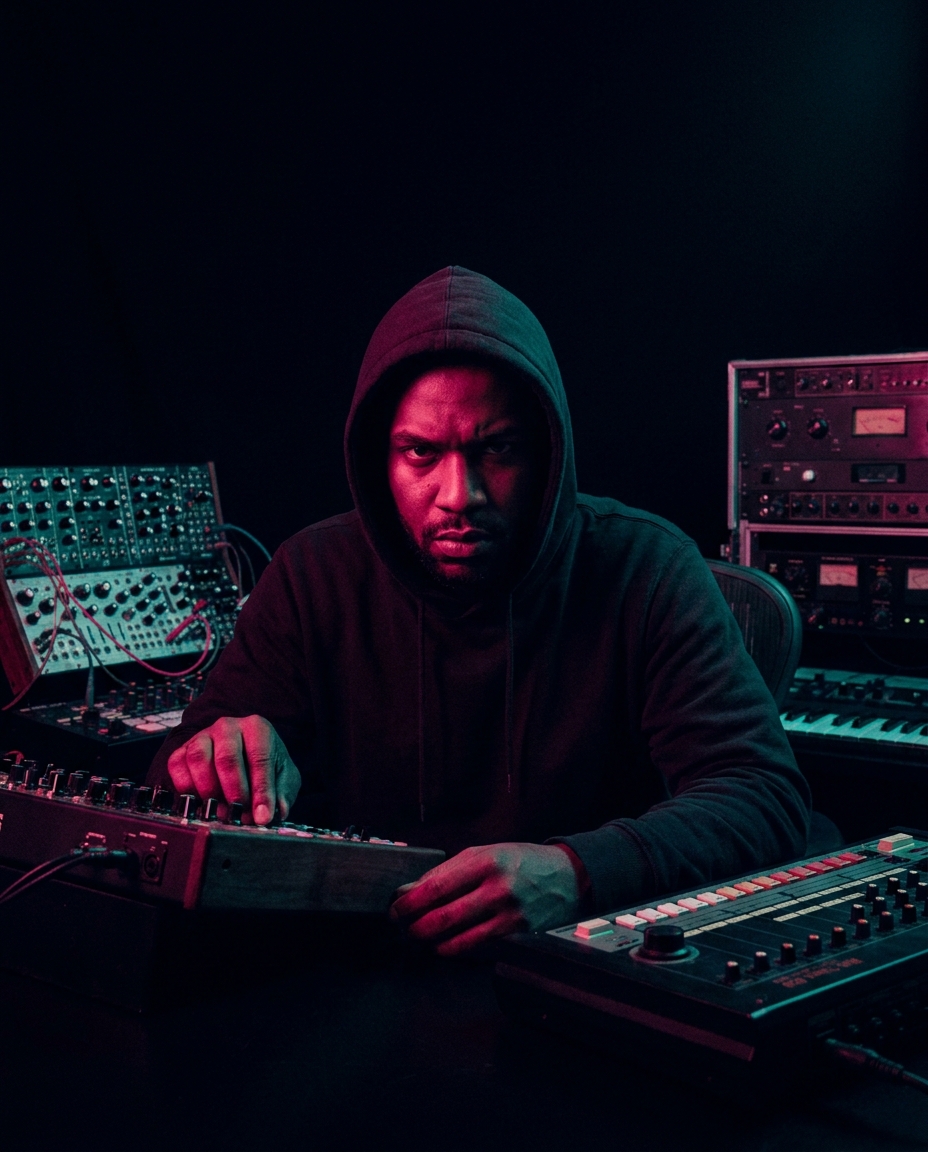
Twenty BPM separates the bedroom floor from the jazz-hip-hop ceiling, and the mood shifts just as much, dark to mellow to energetic. What makes them all lofi is not the number. It is the space between the notes.
Add DigMyLoop to Chrome for free and read the same values on any track you are sampling from.
Lofi FAQs
Dig deeper. Create faster.